
"Capin Branco"
217 article(s) found

Introduction to the main varieties of roasted and brewed coffee in Brazil
Following Cafe Review (official Wechat account vdailycom) found that Fairview Cafe opened a small shop of Brazilian coffee roasting: more and more people are keen on roasting their own coffee beans, because usually they are only fresh for 15 days after roasting, and then they begin to go away, leaving only bitterness rather than mellow taste. So, you can bake by yourself.

How to brew coffee beans from Ali Mento Farm in Brazil _ how to taste coffee made by hand Syrador?
Professional coffee knowledge exchange more coffee bean information please follow the coffee workshop (Wechat official account cafe_style) Brazilian coffee refers to coffee produced in Brazil. There is a wide variety of Brazilian coffee, the vast majority of which are unwashed and sun-dried, classified according to the name of the state of origin and the port of transport. Brazil has 21 states and 17 states produce coffee, but 4 of them

A comprehensive introduction to Brazilian coffee from the world's boutique coffee producing area
Brazilian coffee generally refers to coffee produced in Brazil. There is a wide variety of Brazilian coffee, the vast majority of which are unwashed and sun-dried, classified according to the name of the state of origin and the port of transport. Brazil has 21 states and 17 states produce coffee, but four of them produce the largest, accounting for 98% of the country's total output. Brazilian coffee has a low sour taste, which goes well with coffee.
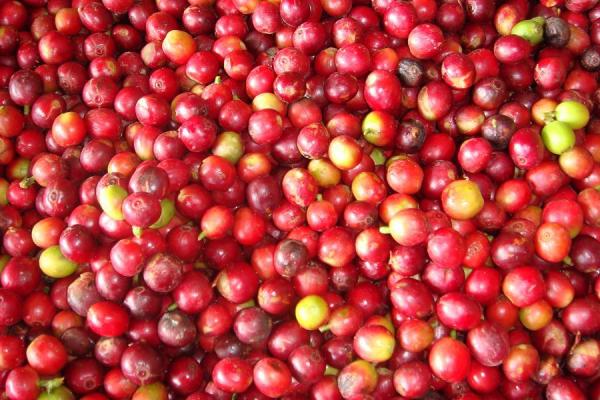
World boutique coffee beans: a detailed introduction to the classification of coffee beans in Brazil
Brazilian coffee generally refers to coffee produced in Brazil. There is a wide variety of Brazilian coffee, the vast majority of which are unwashed and sun-dried, classified according to the name of the state of origin and the port of transport. Brazil has 21 states and 17 states produce coffee, but four of them produce the largest, accounting for 98% of the country's total output. Brazilian coffee has a low sour taste, which goes well with coffee.

Introduction to the characteristics of the manor producing area of Brazilian boutique coffee with soft flavor
The Portuguese expedition established a colony in Pakistan in the 1630s. The Governor was appointed in 1549. The entire colony was then United along the Atlantic coast under Portuguese rule. The French invaded in 1555, occupied the equivalent of present-day Rio de Janeiro, and intended to set up a French colonial stronghold in South America. However, because the French were unable to attract colonists from Europe,

Introduction, varieties and characteristics of Brazilian Coffee Brazils
Brazilian coffee generally refers to coffee produced in Brazil. The vast majority of Brazilian coffee is unwashed and sun-dried and is classified according to the name of the state of origin and port of transport. Although coffee is diverse, Brazilian coffee is suitable for the taste of the public. For example, coffee produced in the northern coastal areas has a typical iodine taste, reminiscent of the sea after drinking. This kind of coffee is exported to North America and China.

The main varieties, characteristics and taste of Brazilian coffee
Following caf é (Wechat official account vdailycom) found that Beautiful Cafe opened a small shop of its own when it comes to the origin of coffee, the first thing that comes to mind is Brazil in South America, because it is the largest coffee producer in the world. There is a wide variety of Brazilian coffee, the vast majority of which are unwashed and sun-dried, classified according to the name of the state of origin and the port of transport. Brazil has 2.
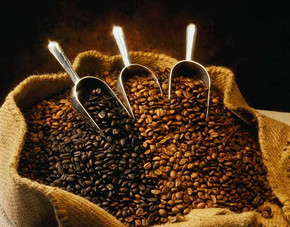
Varieties of Brazilian coffee beans, roasting of Brazilian coffee
Following caf é (Wechat official account vdailycom) found that Beautiful Cafe opened a small shop of its own when it comes to the origin of coffee, the first thing that comes to mind is Brazil in South America, because it is the largest coffee producer in the world. There is a wide variety of Brazilian coffee, the vast majority of which are unwashed and sun-dried, classified according to the name of the state of origin and the port of transport. Brazil has 2.

A brief introduction to the cultivation of Yellow Bourbon Coffee beans in Brazil
Santos comes from the port of PORTO DE SANTOS, a port in the Atlantic Ocean in southeastern Brazil. Among the coffee exported from the port of Santos, there are Brazilian coffee from different producing areas, of which Minas Gerais is of the best quality. The bourbon of Brazil's Bourbon Santos comes from the BOURBON island of the Bourbon Inambek Coffee Tree.

Brazilian coffee bean brand recommends Brazilian coffee bean wholesale price list how much is a cup of Brazilian coffee
Professional coffee knowledge exchange more information about coffee beans Please follow the coffee workshop (official Wechat account cafe_style) mention the origin of coffee, the first thing people think of is Brazil in South America, because it is the largest coffee producer in the world. There are many kinds of coffee beans in Brazil. The vast majority of Brazilian coffee beans are unwashed and dried, according to the name of the state of origin and the port of transport.

Why can Brazil become a big coffee producer?
Brazilian coffee generally refers to coffee produced in Brazil. There is a wide variety of Brazilian coffee, the vast majority of which are unwashed and sun-dried, classified according to the name of the state of origin and the port of transport. Brazil has 21 states and 17 states produce coffee, but four of them produce the largest, accounting for 98% of the country's total output. Brazilian coffee has a low sour taste, which goes well with coffee.

Brazil Coffee
Brazilian coffee generally refers to coffee produced in Brazil. There is a wide variety of Brazilian coffee, the vast majority of which are unwashed and sun-dried, classified according to the name of the state of origin and the port of transport. Brazil has 21 states and 17 states produce coffee, but four of them produce the largest, accounting for 98% of the country's total output. Brazilian coffee has a low sour taste, which goes well with coffee.
American boutique coffee beans Brazil big country coffee beans
Brazilian coffee beans generally refer to coffee produced in Brazil. There is a wide variety of Brazilian coffee, the vast majority of which are unwashed and sun-dried, classified according to the name of the state of origin and the port of transport. Brazil has 21 states and 17 states produce coffee, but four of them produce the largest, accounting for 98% of the country's total output. Brazilian coffee has a low sour taste.
American and Brazilian coffee beans, where fine coffee is produced.
Brazilian coffee beans generally refer to coffee produced in Brazil. There is a wide variety of Brazilian coffee, the vast majority of which are unwashed and sun-dried, classified according to the name of the state of origin and the port of transport. Brazil has 21 states and 17 states produce coffee, but four of them produce the largest, accounting for 98% of the country's total output. Brazilian coffee has a low sour taste.
Brazilian coffee bean boutique coffee bean common sense
Brazilian coffee generally refers to coffee produced in Brazil. There is a wide variety of Brazilian coffee, the vast majority of which are unwashed and sun-dried, classified according to the name of the state of origin and the port of transport. Brazil has 21 states and 17 states produce coffee, but four of them produce the largest, accounting for 98% of the country's total output. Brazilian coffee has a low sour taste, which goes well with coffee.

The largest producer of boutique coffee, American and Brazilian coffee beans
Brazilian coffee beans generally refer to coffee produced in Brazil. There is a wide variety of Brazilian coffee, the vast majority of which are unwashed and sun-dried, classified according to the name of the state of origin and the port of transport. Brazil has 21 states and 17 states produce coffee, but four of them produce the largest, accounting for 98% of the country's total output. Brazilian coffee has a low sour taste.
Knowledge of World Fine Coffee and knowledge of Brazilian Coffee
Brazilian coffee generally refers to coffee produced in Brazil. There is a wide variety of Brazilian coffee, the vast majority of which are unwashed and sun-dried, classified according to the name of the state of origin and the port of transport. Brazil has 21 states and 17 states produce coffee, but four of them produce the largest, accounting for 98% of the country's total output. Brazilian coffee has a low sour taste, which goes well with coffee.

General knowledge of the origin of coffee beans: a brief introduction to Brazilian coffee beans
Brazilian coffee has been growing single crops for a long time and developing the tropical plantation economy, so Brazilian coffee has been its pillar industry for a long time. From the market point of view, coffee and its processed products play an important role in mental workers because they are rich in caffeine and exhilarating, so they play a huge role in modern society, so the market is wide.

The origin of coffee beans introduces the common sense of Brazilian coffee beans
Brazilian coffee generally refers to coffee produced in Brazil. There is a wide variety of Brazilian coffee, the vast majority of which are unwashed and sun-dried, classified according to the name of the state of origin and the port of transport. Brazil has 21 states and 17 states produce coffee, but four of them produce the largest, accounting for 98% of the country's total output. Brazilian coffee has a low sour taste, which goes well with coffee.
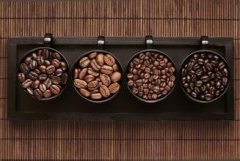
A brief introduction to the flavor, taste and aroma characteristics of Brazilian boutique coffee beans
Other kinds of Brazilian coffee, such as Rio and Parana, can be produced in large quantities because they do not need too much care. Although they taste rough, they can be regarded as a kind of good and cheap coffee. Because they are distributed all over Brazil and their solid quality varies, they have their own standards (NO.2~NO.8 according to the number of sundries, NO.13~NO.19 according to the size of beans, and six according to taste).